Moffle Tops

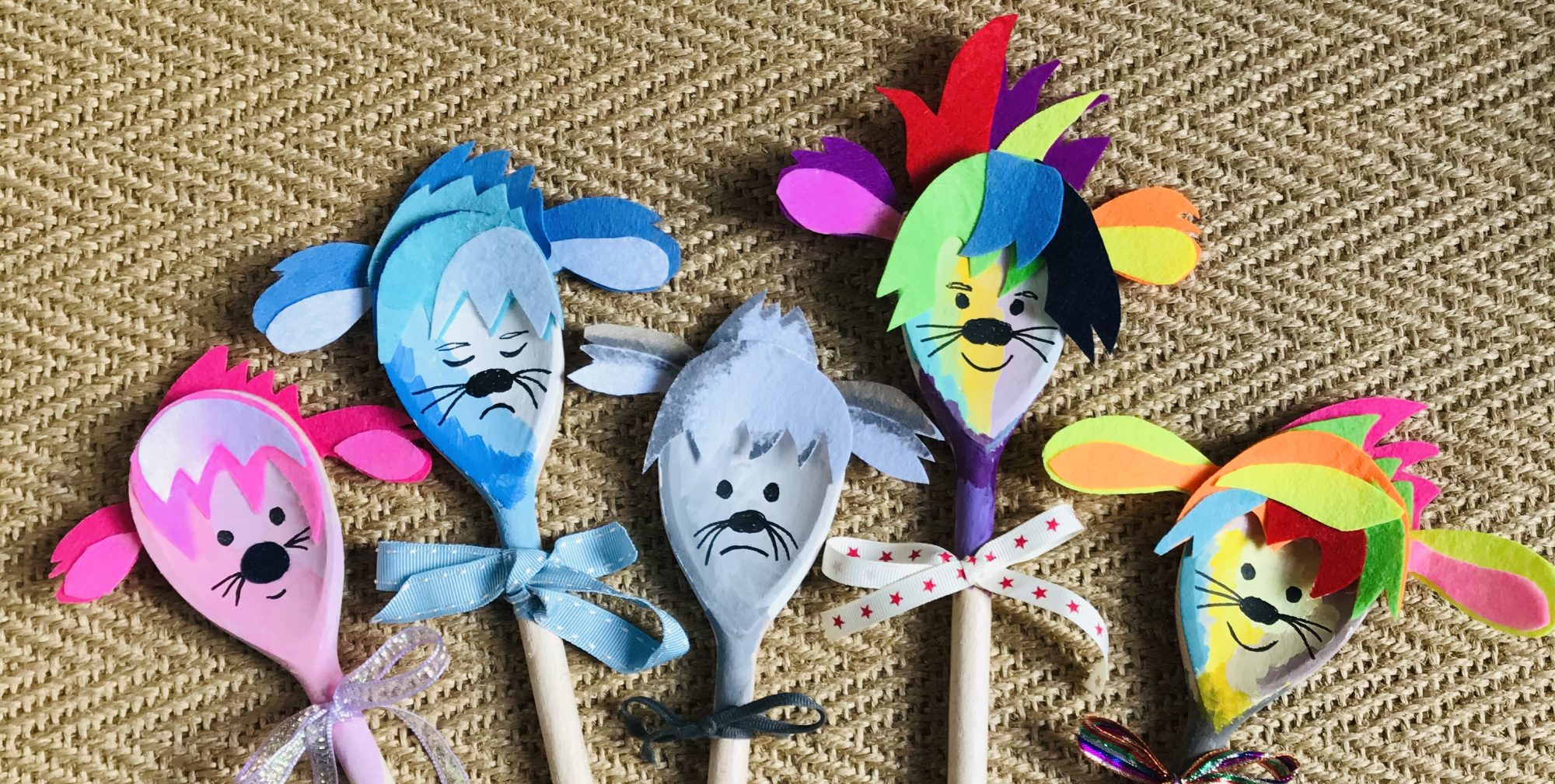
We’ve made some Moffle Tops, using toilet roll tubes & coloured paper.  Having a range of different colours & drawing different expressions for your child to choose from can be a fun activity to use to explore thoughts & feelings as well. The Moffle Tops can be a simple visual aid for talking about these things in a safe & engaging way.

Children who have lived with neglect & trauma in their early lives have often missed out on good enough support to make sense of their thoughts & feelings; to learn the words for how they are feeling & to have the opportunity to talk about them. Emotional articulacy is not innate, it is a skill that needs to be practiced, within caring relationships.

Remember the most important thing is for your child to experience enjoying making the Moffle Tops with you & the talking about thoughts & feelings part might not last very long! Your relationship & connection with them is always the most important part of doing any art & crafts together.

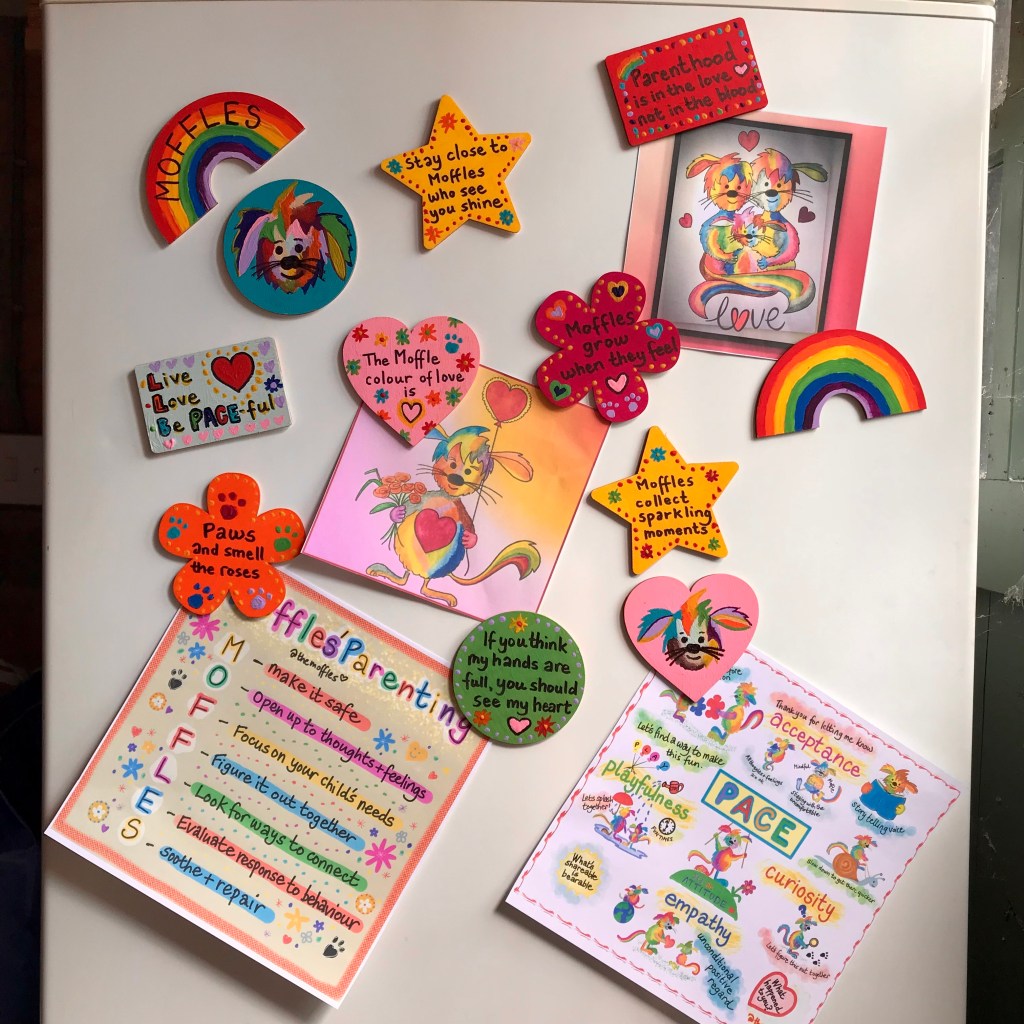
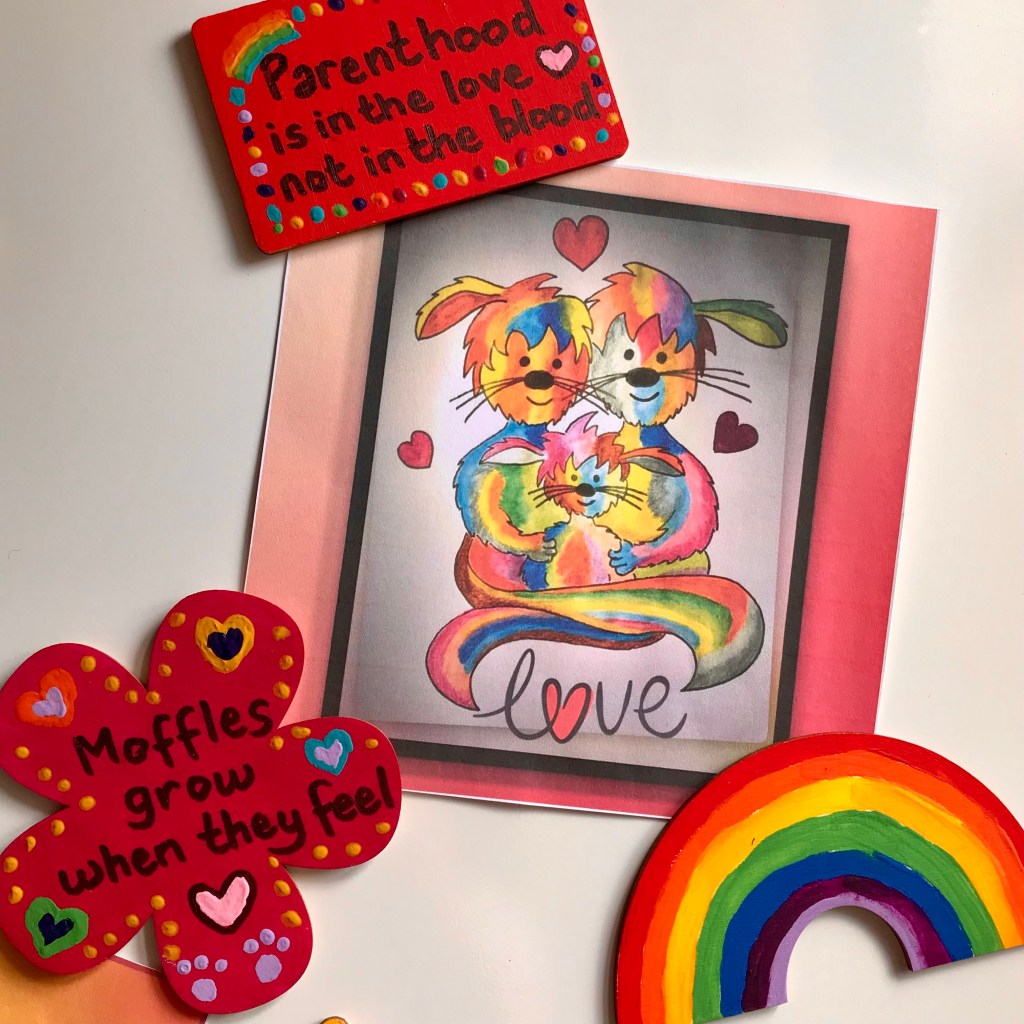
The Moffle books help traumatised children to identify & talk about their feelings.  The Moffles’ fur changes colours to reflect their emotions & this is a simple visual aid to exploring them through the colourful characters.
Tokyo Paralympics 2020 & Disability Sport

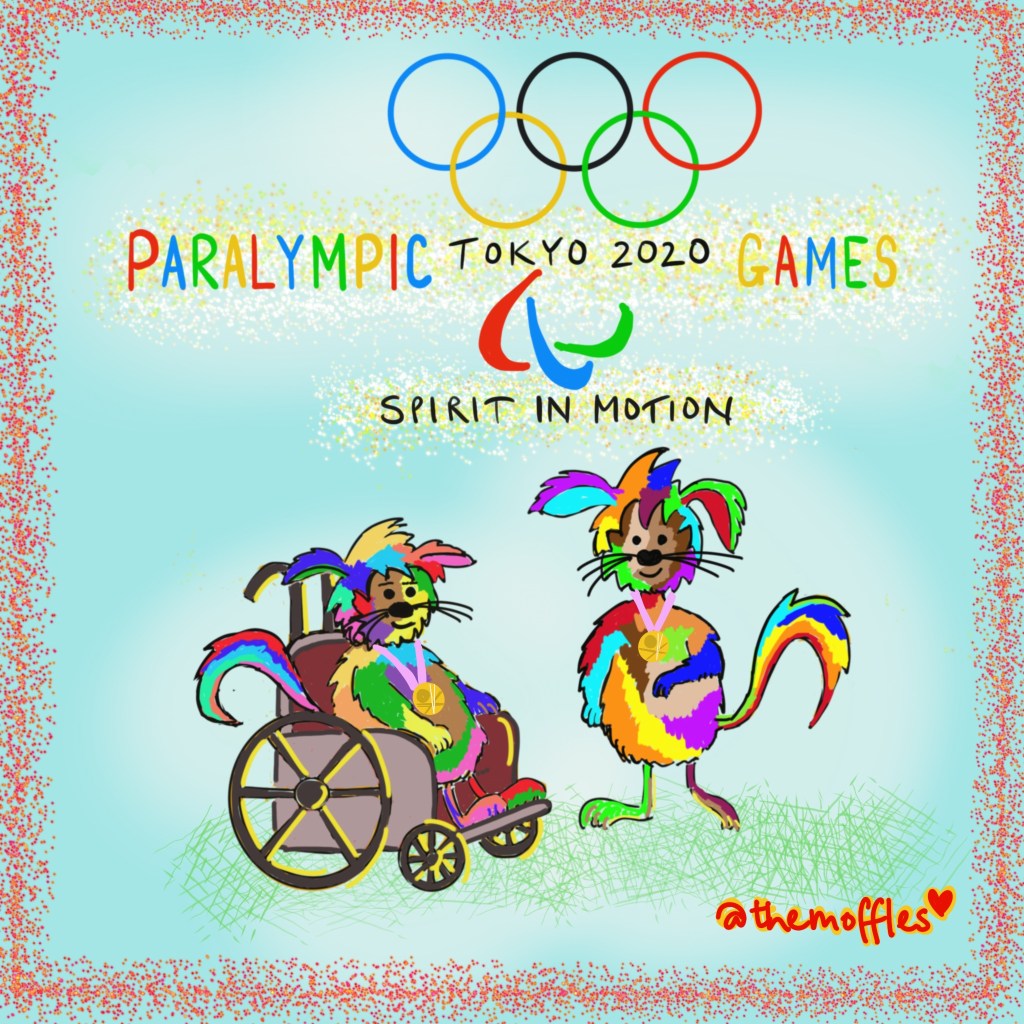
Who else loved the Paralympics & the fantastic achievements of all our athletes?! The pool action is close to our hearts in the Moffle family, as we’ve been part of Bingham Penguins disability swimming club for over 20 years.

My daughter, Cambell has cerebral palsy & joined Penguins at 8 years old. She was always a water baby & it was good physiotherapy. For the first time, we were surrounded by people with a range of disabilities & abilities, joined by a shared love of the water. We learned about the broad spectrum of physical & learning ability & the power of interdependence – we had found our tribe.

At Penguins, everyone can access swimming – from individual support with helpers in the water, through to training plans for swimmers competing at national & international level. Cambell swam internationally & as a teenager volunteered with the younger swimmers. Claims to fame include training alongside Paralympians, Sam & Ollie Hynd & having raced with Ellie Simmons!

My swimming credentials are more modest – I started out collecting session fees on poolside & progressed to becoming a coach & poolside co-ordinator. To make it a full family affair, we recruited my partner as club chairperson (or King Penguin as he preferred to be known). Long after Cambell left the club & went off to university, we stayed actively involved & I still help poolside sometimes. The smell of the chlorine & the camaraderie pulls me back.

Watching the elite para-swimmers in Tokyo was thrilling – a celebration of hard work & dreams realised. A wonderful reminder of what can be achieved when we support all our children to reach their full potential, whatever that may be. When we recognise one size does not fit all & remove barriers to participation, it’s amazing what can be accomplished. Penguins may be slow & struggle on land but put them in the water & see them glide.

Riley the Brave Makes it to School

Riley is finding it hard to go to school. He’s a little bear cub who has made it through some very difficult times in the past & is learning ways to feel more confident & settled in his fur. He does not look like the adults who are raising him & this creates an inclusivity to the story for all children who do not live with their birth parents, for whatever reason. Sometimes Riley feels cheerful & brave but other times he wobbles & falls back on old coping strategies.

This day starts with a grumpy porcupine moment & Riley feels prickly towards everyone. His ‘safe big critters’, the elephants, turn potential confrontation & conflict into opportunities for playfulness & connection. They ride the bumps of the morning routine together, using therapeutic parenting ideas, clearly presented & cleverly woven into an engaging tale. This is a picture book for any child who struggles with transitions & the adults who support them.

click here to read more

Transitions

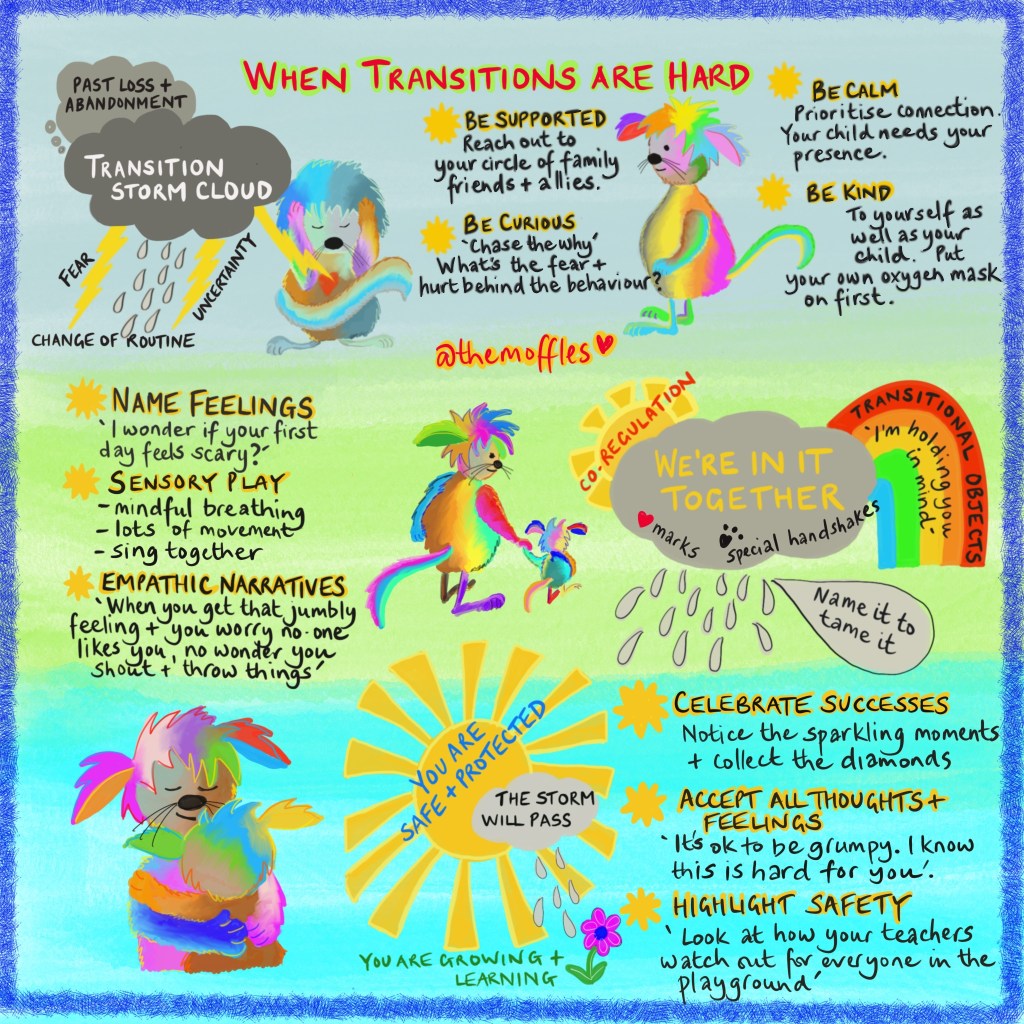
The beginning of the school year can be a tricky time for lots of children who struggle with transitions & new routines. For children who have experienced many changes & losses in the past & who are living with developmental trauma, it can be particularly scary & difficult.

Parents, carers & teachers need to be prepared to weather the transition storms! Look after yourselves so that you have the resources to take care of & contain your little people. Self-care is a necessity, not a luxury & don’t be afraid to reach out to those around you who can help lighten the load.

click here to read more

The Rabbit Listened

A small child called Taylor builds a wonderful castle & is feeling very proud. Without warning, disaster strikes & the wooden bricks come tumbling down. Nothing is as it was & all the animals try to make Taylor feel better. Chicken wants to talk; hyena wants to laugh about it & ostrich just wants to forget. When Taylor resists their advice, they drift away. Only rabbit comes & sits close by, warm & quiet. In time, Taylor expresses a whole range of emotions & rabbit just listens. Eventually, Taylor decides to build again, with a renewed sense of hope & excitement. This story is a beautifully simple tribute to the value of unconditional acceptance & the comfort to be found in attuned relationships.

It is very hard for parents & carers to see their child grieving. The temptation then, is to offer reassurance & distraction & to try to fix the problem. We do not want our child to hurt. This temptation is even greater for those parenting a child with developmental trauma, one who has had many losses & who can easily become overwhelmed by big emotions; struggling to self-regulate or make sense of feelings.

click here to read more

Over The Rooftops, Under The Moon

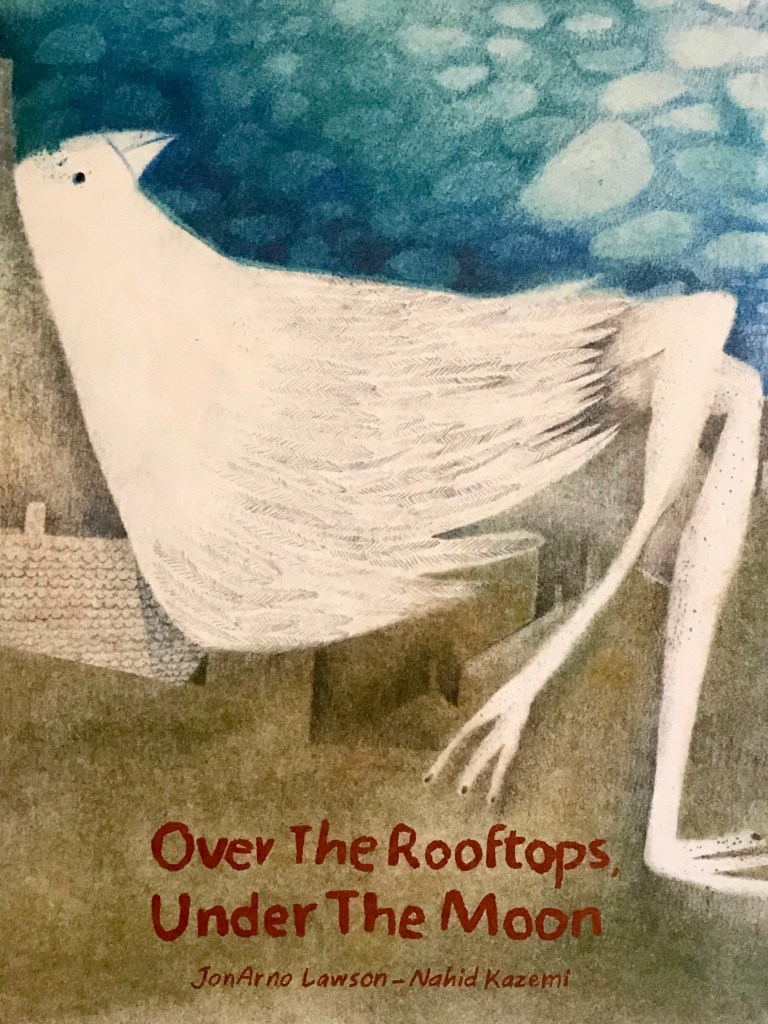
A bird sits all alone in the flock. Then in the eyes of a little girl, they feel seen. Together, they explore & appreciate the detail of everything around them. With the bird’s awakening, their white feathers explode with colour when they least expect it. Time passes, the seasons shift & the bird travels far, across snow & through turbulent seas, to a warm place full of feathered friends. The words are lyrical & sparce, but the multi-layered story & rich illustrations speak of many things – understanding oneself & connection with others; the multi-faceted nature of identity & how our sense of belonging is ever changing throughout life.

Issues of identity can be confusing for care experienced & adopted children.  Many who come to family therapy are trying hard to understand their life history, exploring who they are & where they fit in. They can carry a sense of being to blame for their losses, of being bad or ‘other’. Like the bird, they can feel ‘far away inside & far away outside’. Part of any adoptive parent or carer’s role is to facilitate their child’s exploration of identity with love, & to bear witness to it. To acknowledge the rupture in belonging for a child who has been separated from their birth family & allow all thoughts & emotions to be voiced. Gently holding the past & making sense of how it shapes the present.

click here to read more

Moffle Scavenger Hunt

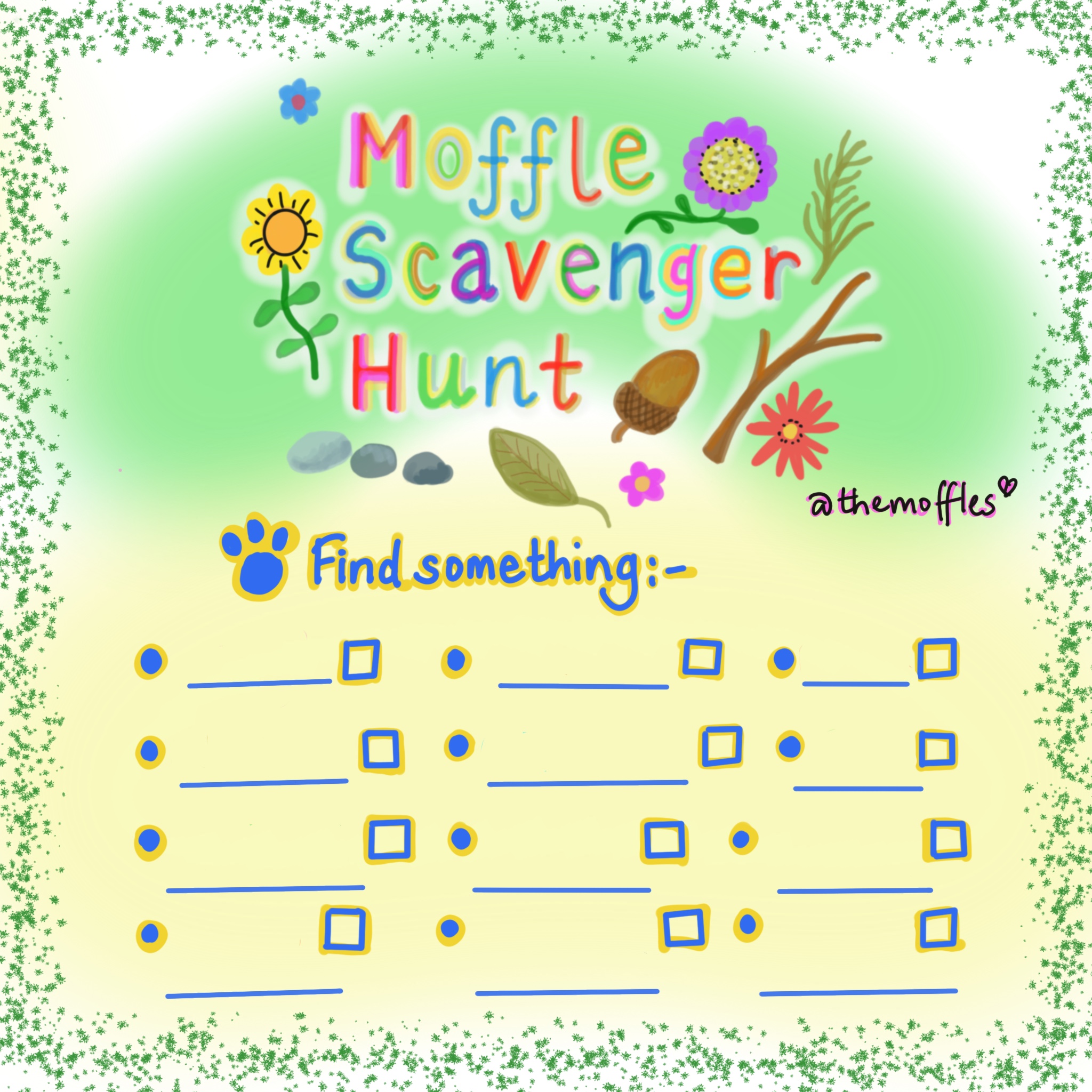
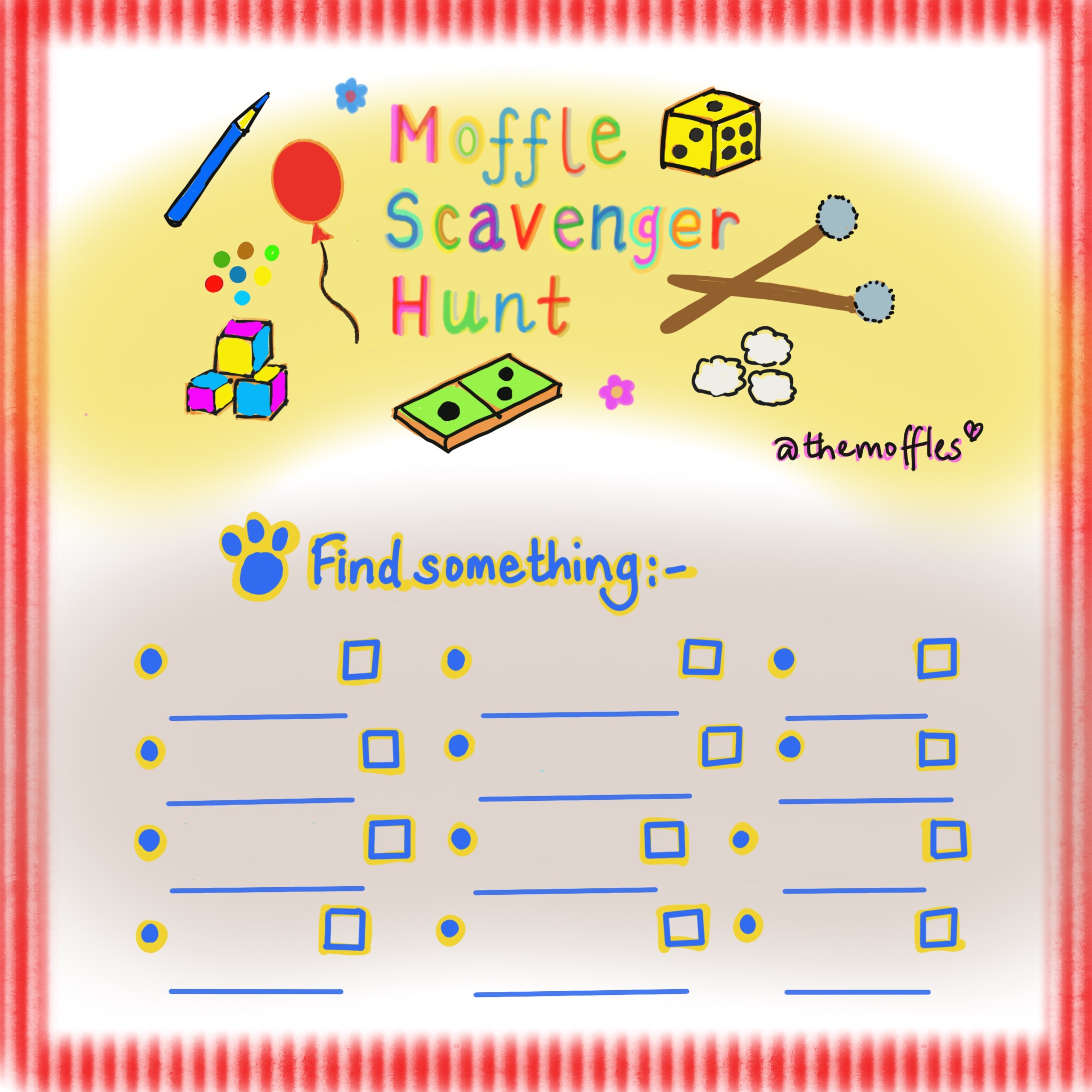
Looking for simple activities for the summer holidays? Here are some Moffle Scavenger Hunt sheets – one to use indoors & one for the garden or park. The blank scavenger sheets are where you can add your own items to look for.

Scavenger hunts are a great way to encourage little ones to focus on the world around them & notice the little things. They also offer opportunities for building body awareness using the tactile system, by encouraging your child to touch things with different textures, shapes & sizes.

Suggestions for indoor objects to place on the list can include:

plastic or rubbery animals, building blocks, cotton balls, sponges, buttons, popcorn, dried beans, small craft pom-poms, dominoes, balloons, squeezy stress balls etc.

Understanding Parenting Anger

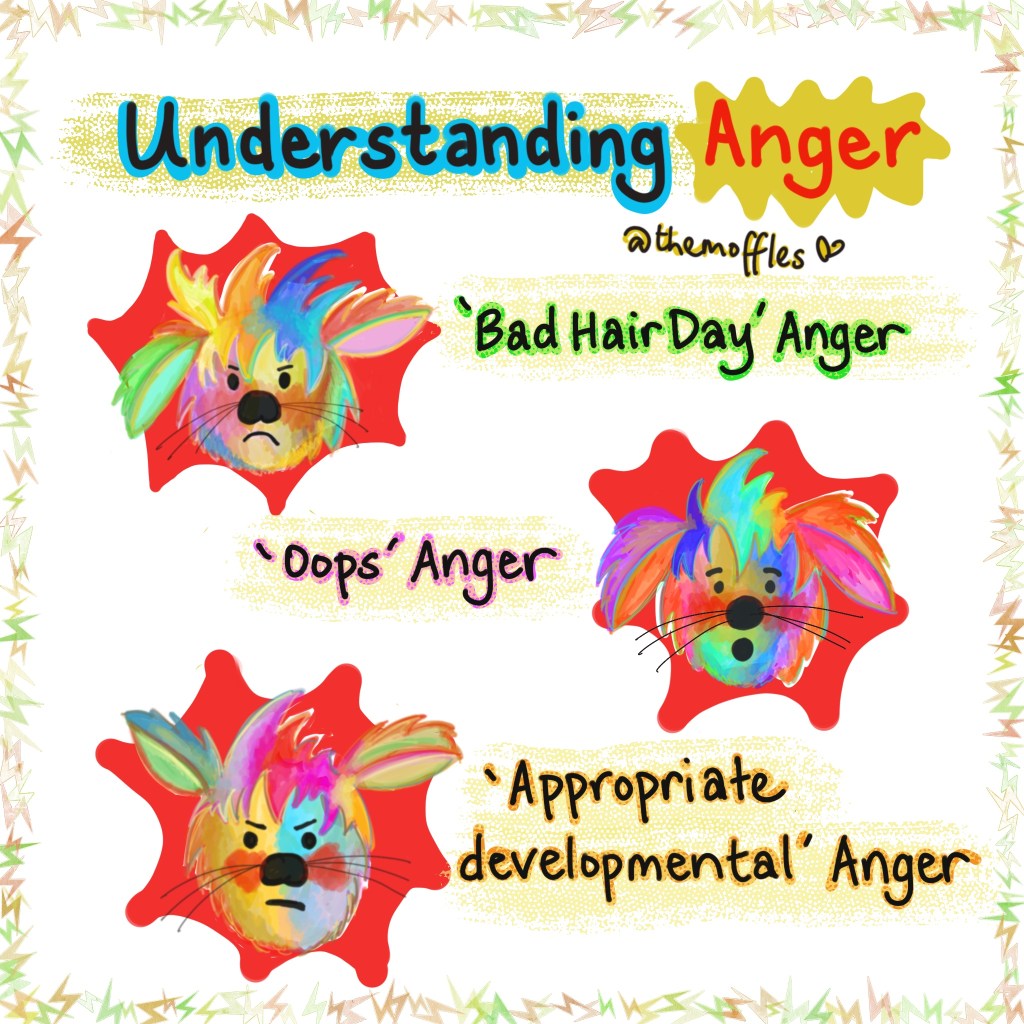
Holidays can be tricky, so perhaps a good time to think about parenting anger! Every parent & carer gets angry sometimes & conflict is a natural part of family life. The important thing is how we make up again, or ‘repair’ our relationship with our child. Understanding our own anger & helping our child make sense of it, is a useful part of repair. This is especially so for a child with an insecure attachment, for whom any conflict immediately becomes all about the relationship & their fear of losing you.

Dan Hughes identifies 3 main types of parenting anger:

Bad hair day – when it’s just an ‘off day’. It’s important to recognise when your patience is low & accept it. Own the anger, accept responsibility, & acknowledge it (I’m having an off day so it’s going to be hard for me to be patient with you). A child can accept this if they can then understand they aren’t being blamed.

click here to read more