What do Moffles Need?

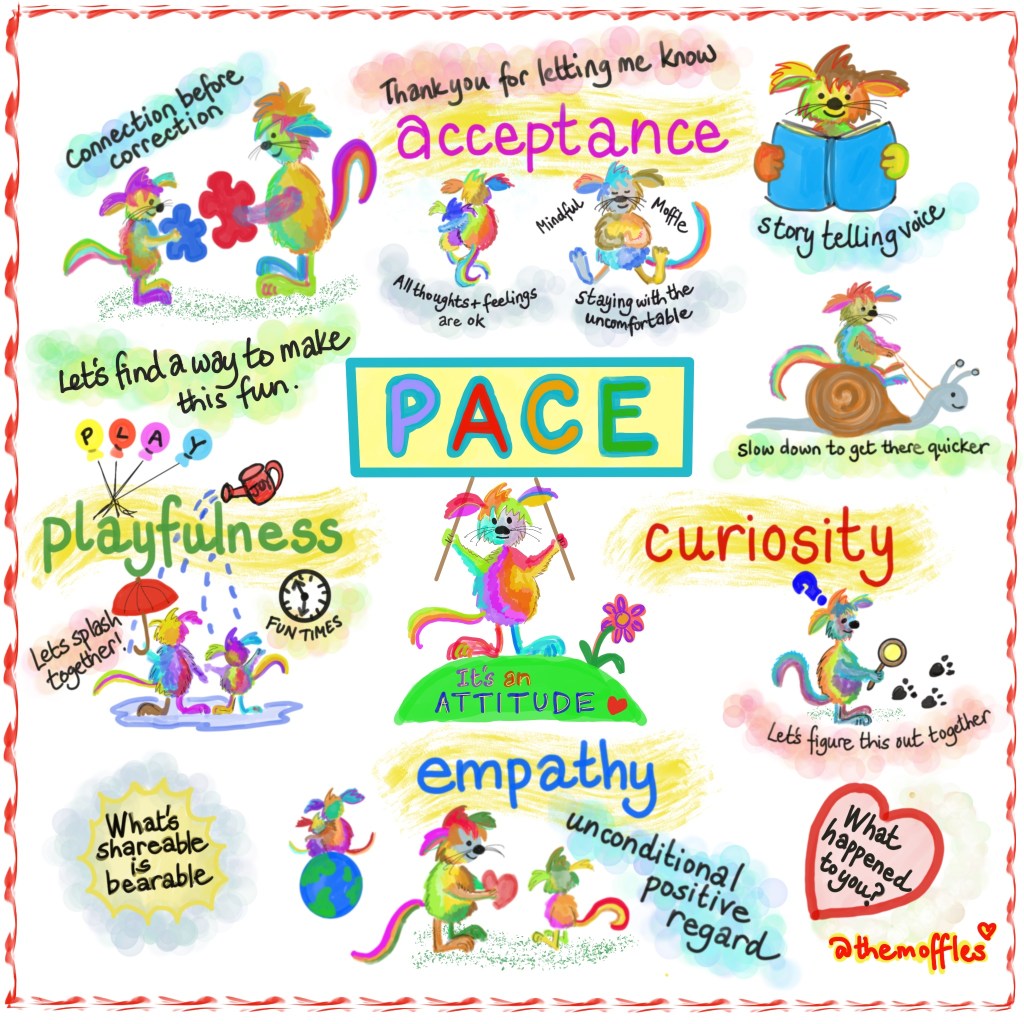
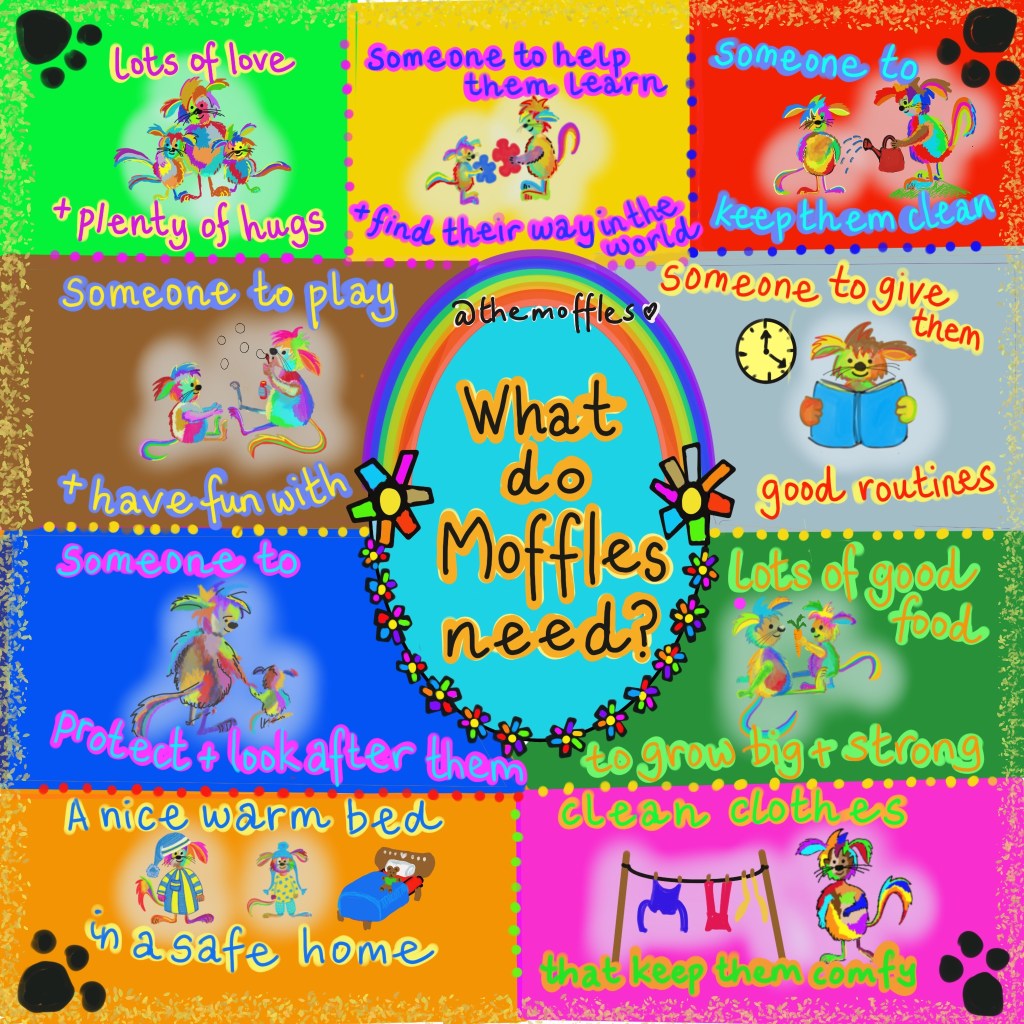
Here’s a colourful Moffle version of a visual I use in conversations with children about what they might need to help them to grow up healthy & happy.

In therapy, many children have told me that they were ‘not looked after properly’ by their birth parents. Often, they have heard this phrase but struggle to understand what it really means, especially if they have few conscious memories of their past. Or if they have experienced a lot of neglect & a chaotic home environment, they may have very little idea of the ‘good enough’ care that they need & deserve.  I’ve found that creating pictures together of what all children need, can make it easier to begin to explore what they may have missed out on early in life.

Sometimes, cutting out images from magazines & making collages, drawing, or building scenes in a sand tray are helpful. For some children who struggle to initiate or come up with ideas, or are very worried about getting things wrong, a pre-prepared visual like this one can help warm the context. Talking about potentially tricky things from a once removed position, in this case through the Moffle characters, can help to make it feel less challenging for them.

Another use is with children who are mistrustful & struggling to see that they are cared for now – to focus attention & as a prompt for highlighting signs of safety & nurture in their current homes. Parents or cares can share specific stories of having met their child’s needs in the different areas identified, or the child can be invited to come up with some of their own, if they are able. 
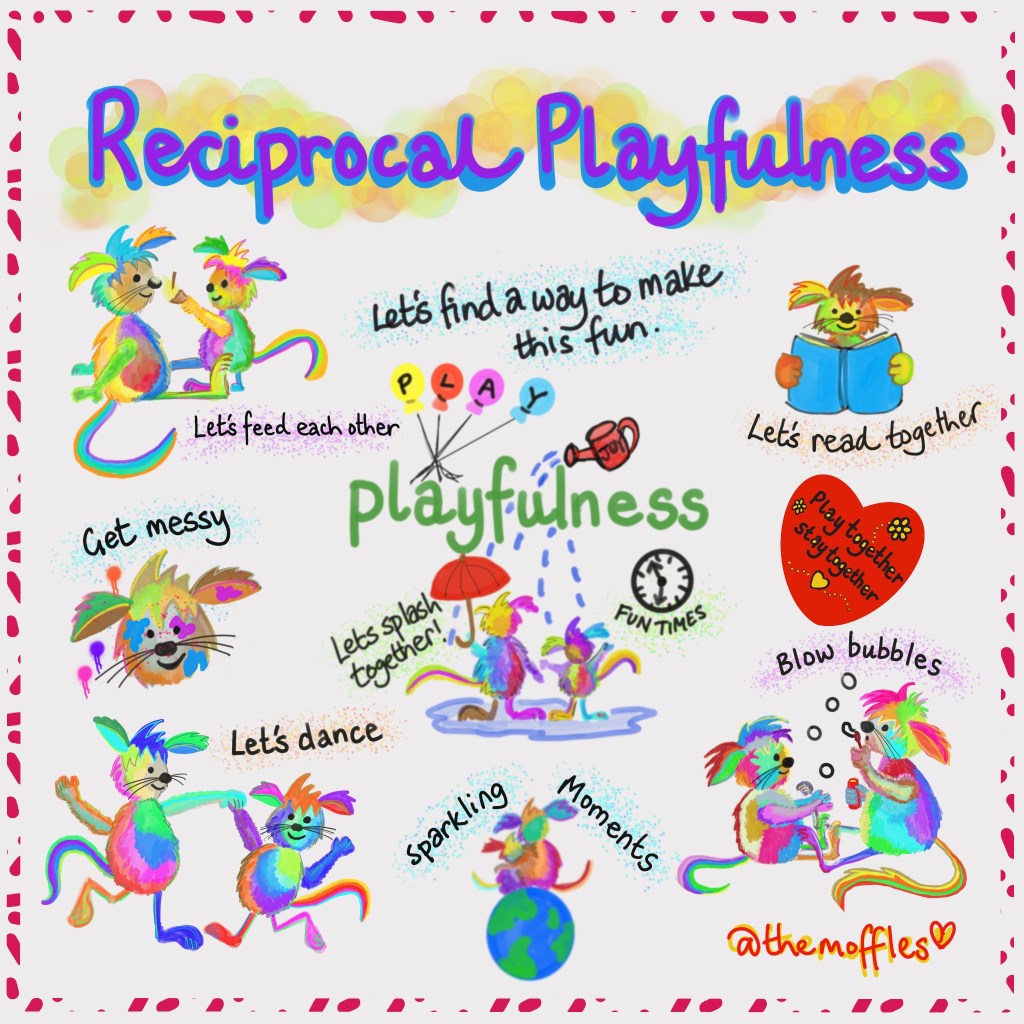
Playfulness puts the P in PACE!

Learn more about PACE & DDP at DDP Connects UK

P puts the Playfulness in PACE! It’s the part of the therapeutic parenting attitude developed by Dan Hughes, that characterises the way a parent or carer interacts with a baby or small child. That original experience of parental love, where each is delighting in the other, getting to know each other & feeling safe & relaxed.  

Playfulness is about being light, confident and engaged – looking for strengths and ways to be close & affectionate. Not a distraction technique, but a way to create positive interactions & feelings of acceptance & connectedness. A light-hearted & relaxed attitude brings opportunities to show affection when more direct expressions may be resisted by a traumatised child.

click here to read more

PACE

Learn more about PACE & DDP at DDP Connects UK

PACE is an attitude that helps us connect with our children in a relational, rather than a behavioural way. It is useful whether we are parents or carers, or part of the team around the child. PACE stands for playfulness, acceptance, curiosity & empathy.  It was created by Dan Hughes, the founder of DDP & based on what goes on between a parent and very young child.  We are naturally PACE-ful with little ones. Imagine talking to a baby & the tone & language we might use. We’re animated, we chatter to them – wondering if they’re hungry, tired, happy. We connect with them emotionally as we think about their internal state, mentalising their experience.  Curiosity & empathy is at the centre of this & total acceptance of emotions & thoughts – they’re neither right nor wrong, they just are. We’re being playful & delighting in them.

click here to read more

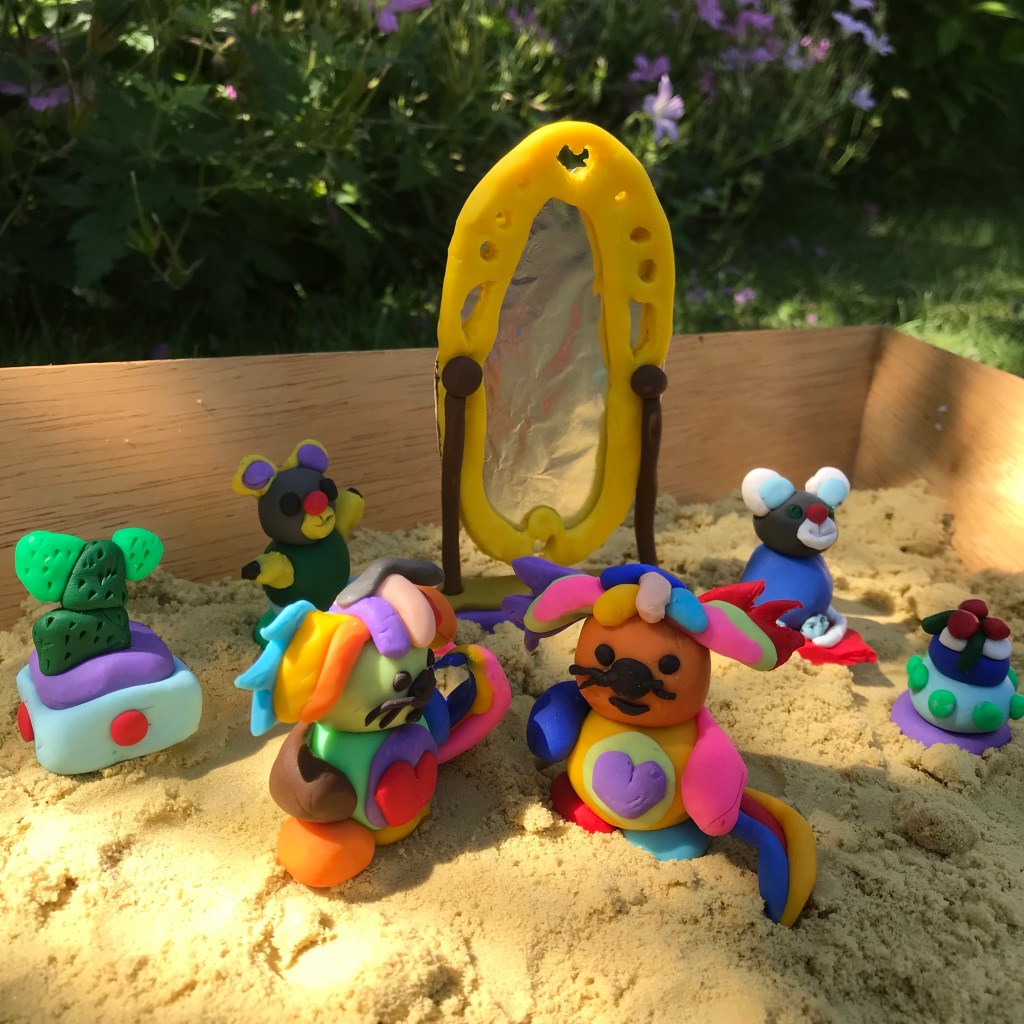
Moffle Sandtray

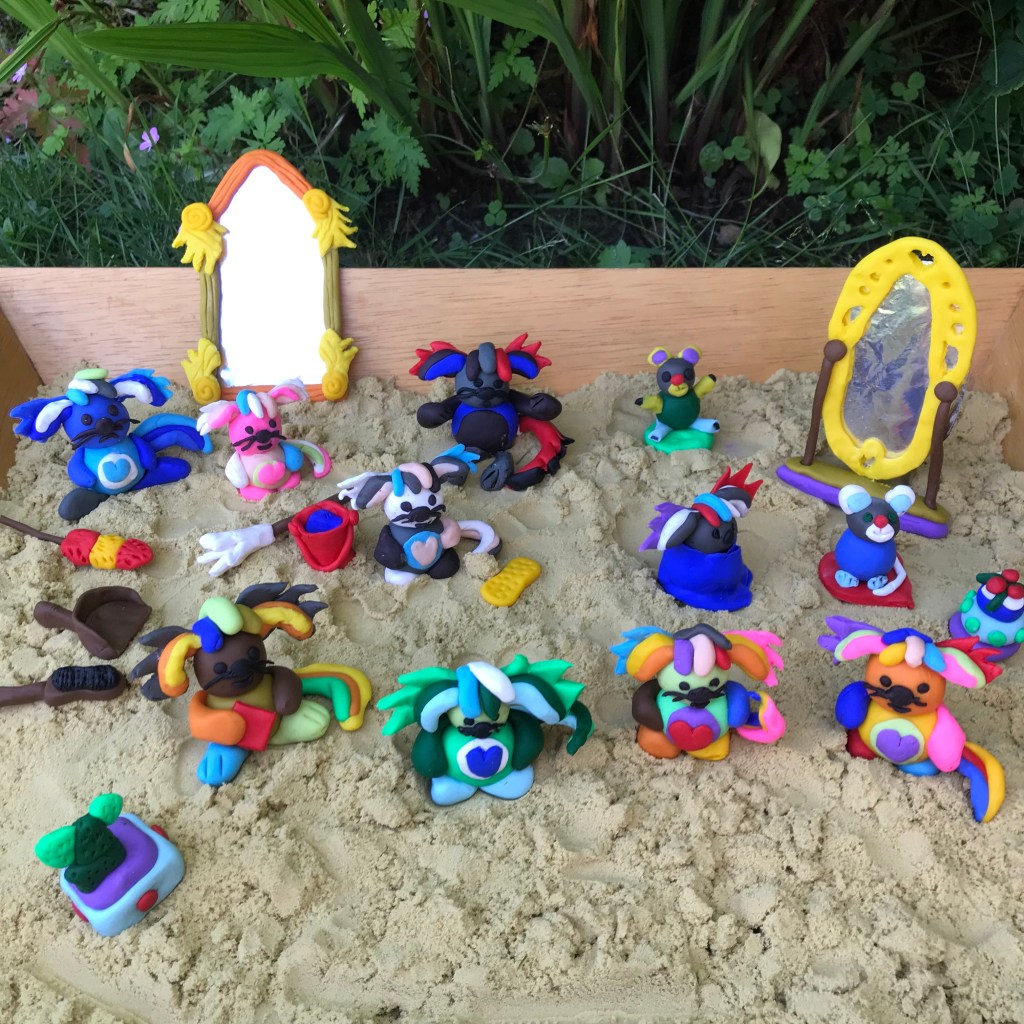
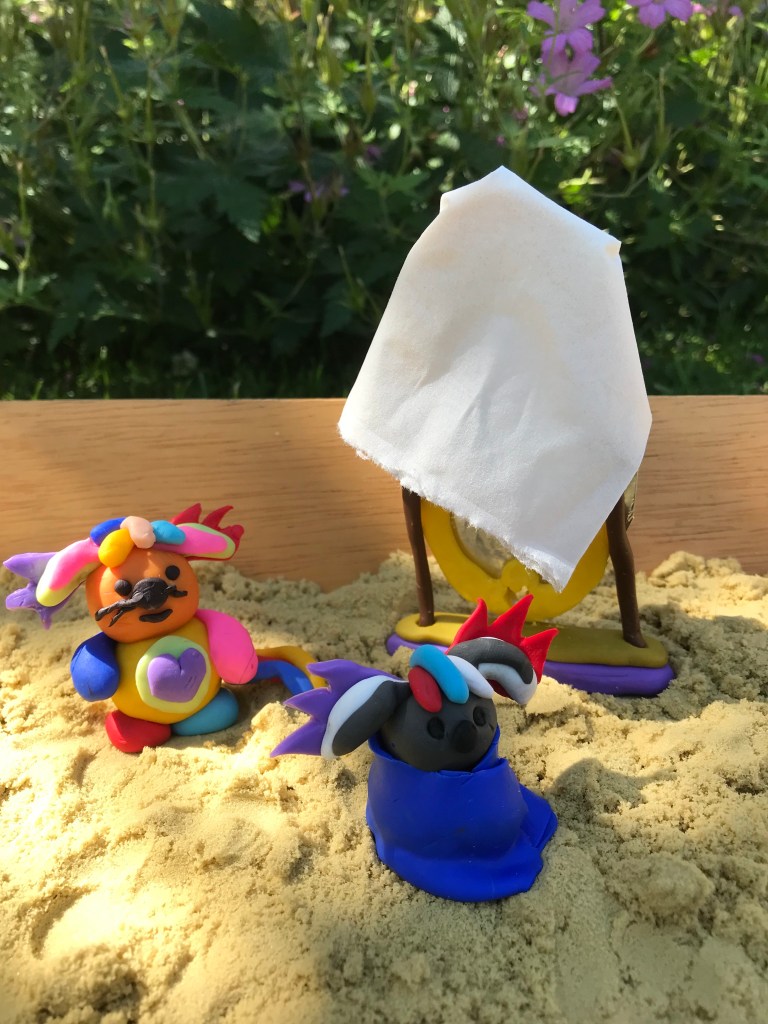
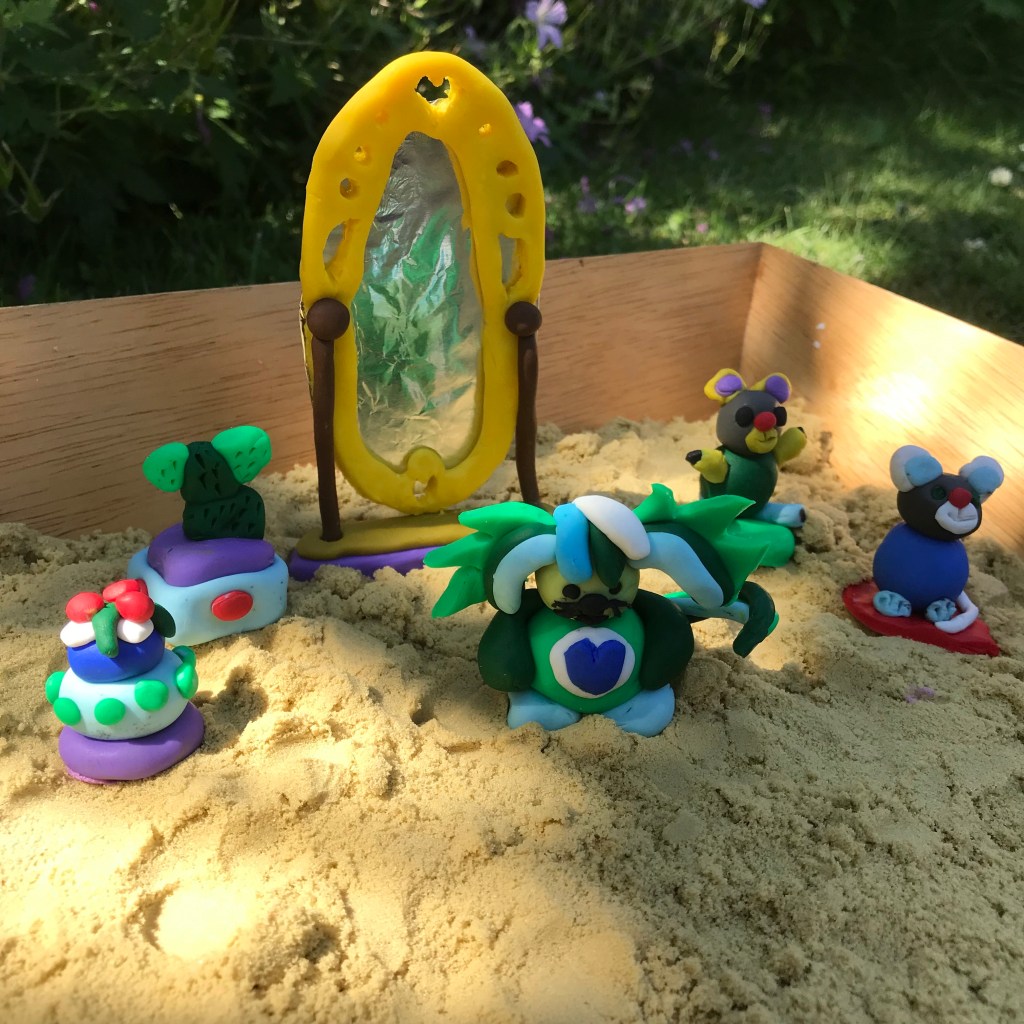
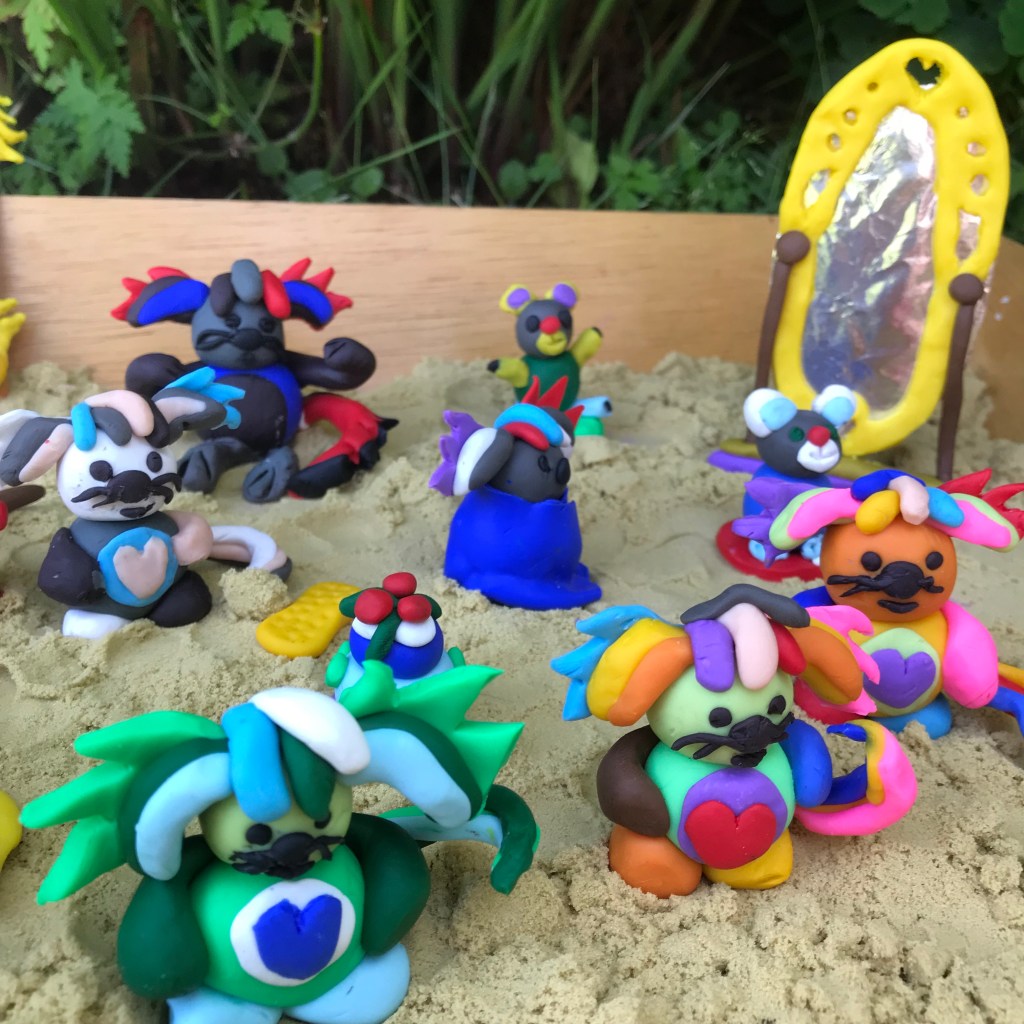
We’ve made a Tippy Moffle’s Mirror sandtray! Can you spot the different characters & scenes that we’ve created from the story?

For children who find it difficult to talk about their thoughts & feelings, or are unwilling to do so, making use of a sandtray can feel like a safer & easier way to communicate. Play is the child’s natural medium of communication & there is no need to verbalise – the little sandtray miniatures become their words.

Just as reading picture books together can create a level of distance from difficult subjects, that make it easier for the child to think about them, so the symbolic nature of the sand & objects can provide a gentle route into exploring experiences that might otherwise feel overwhelming. Here, using Moffles instead of human figures can add to that sense of distance & safety.

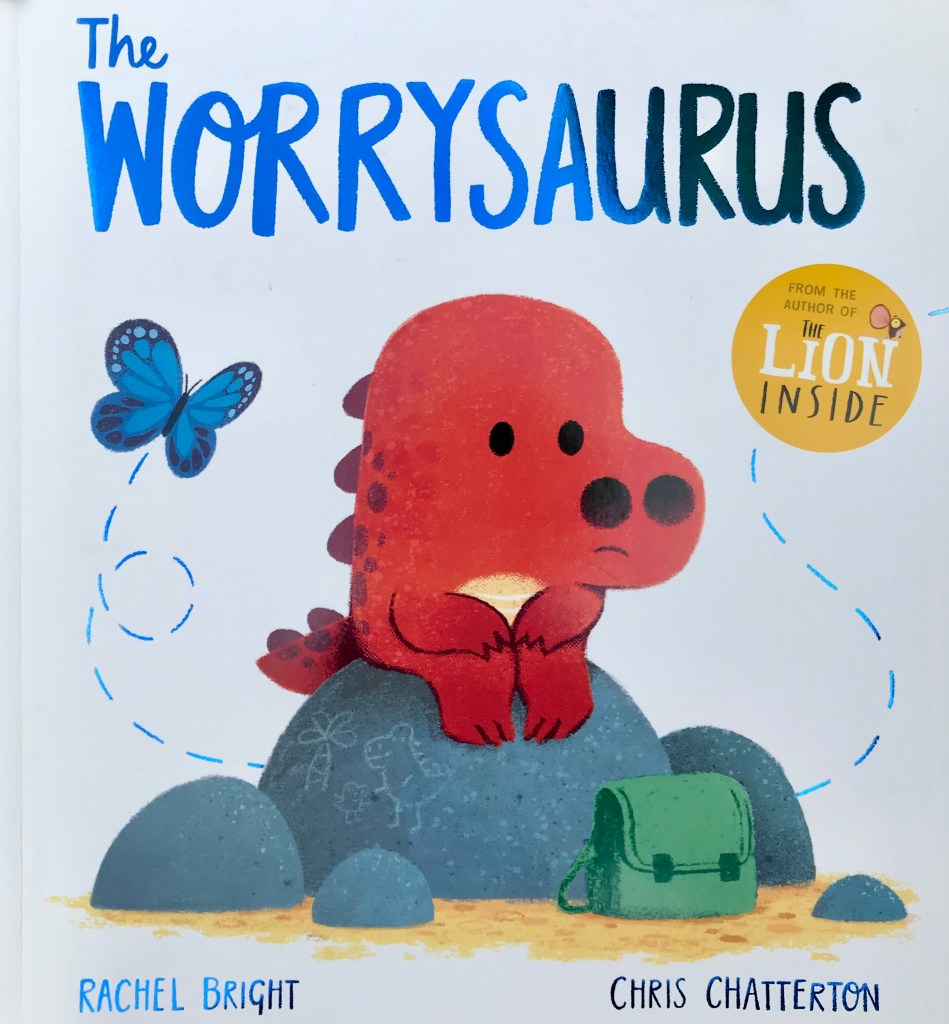
The Worrysaurus

To be fair to this little Worrysaurus, he has a point when it comes to British summertime weather & planning picnics! Putting that to one side, this is a sunshine picture book whose soothing rhymes gently explore anxiety & share coping strategies that warm the heart.

Many children with developmental trauma worry terribly about all sorts of things & struggle, as the Worrysaurus does, with uncertainty. Their parents & carers are well versed in ensuring structure, routine & predictability, to help their child to cope. All children worry, but a traumatised child’s anxiety can be especially big & overwhelming. When you have had bad, sad & scary things happen in the past & from an early age, it shapes the brain & central nervous system & processing of experiences. It sensitises to danger & preoccupies with keeping safe – even when there isn’t any danger there at all. It manifests itself in phobias & obsessive-compulsive behaviours. How important then to help a child recognise what is happening in their body – the physical manifestations of anxiety. To help them stay grounded in the present & not be pulled into the ‘trauma timehole’, responding as thought they are back in those frightening experiences again.

click here to read more

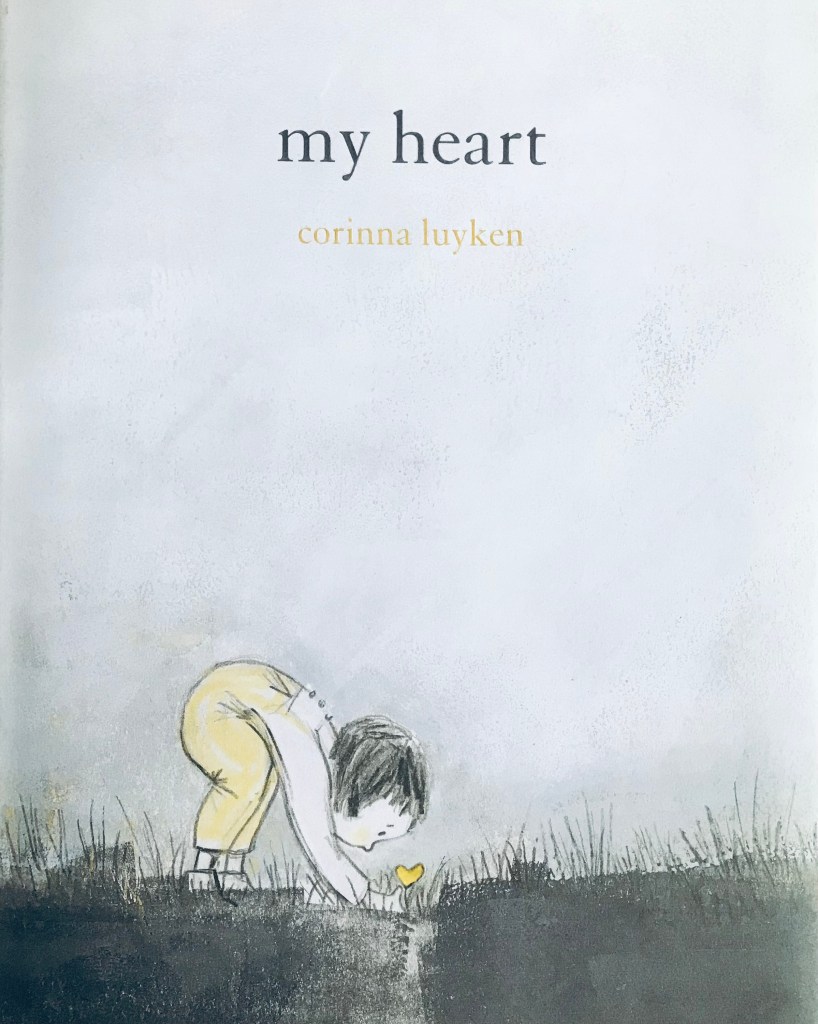
My Heart

This picture book is a gentle journey with a little girl through different emotional states, honouring them all & highlighting how they come & go, just as day follows night. It is a poem on the heart, providing a multitude of metaphors to help explore our inner worlds. We navigate a path through light & shade, experiencing how it can feel when our hearts are open or closed, broken, or mending & growing. Here is an invitation to listen inward with kindness & to look outwards, with optimism & a sense of belonging.  

We learn that some days, the little girl’s heart is a fence between her & the world & she looks so small & alone. This image reminds me of many of the children that I have worked with in therapy, where the impact of trauma has confused their inner voice & shaken their belief in themselves & the caring adults around them. These are the children who, because they are hurting so much, have lost their capacity to experience comfort, curiosity & joy, as they are in defensive states so much of the time. They are terrified of listening to their minds or hearts, or of being open to the influence of relationships, as this would make them vulnerable to the pain of hurt & rejection again.

click here to read more

Moffle Story Mountain

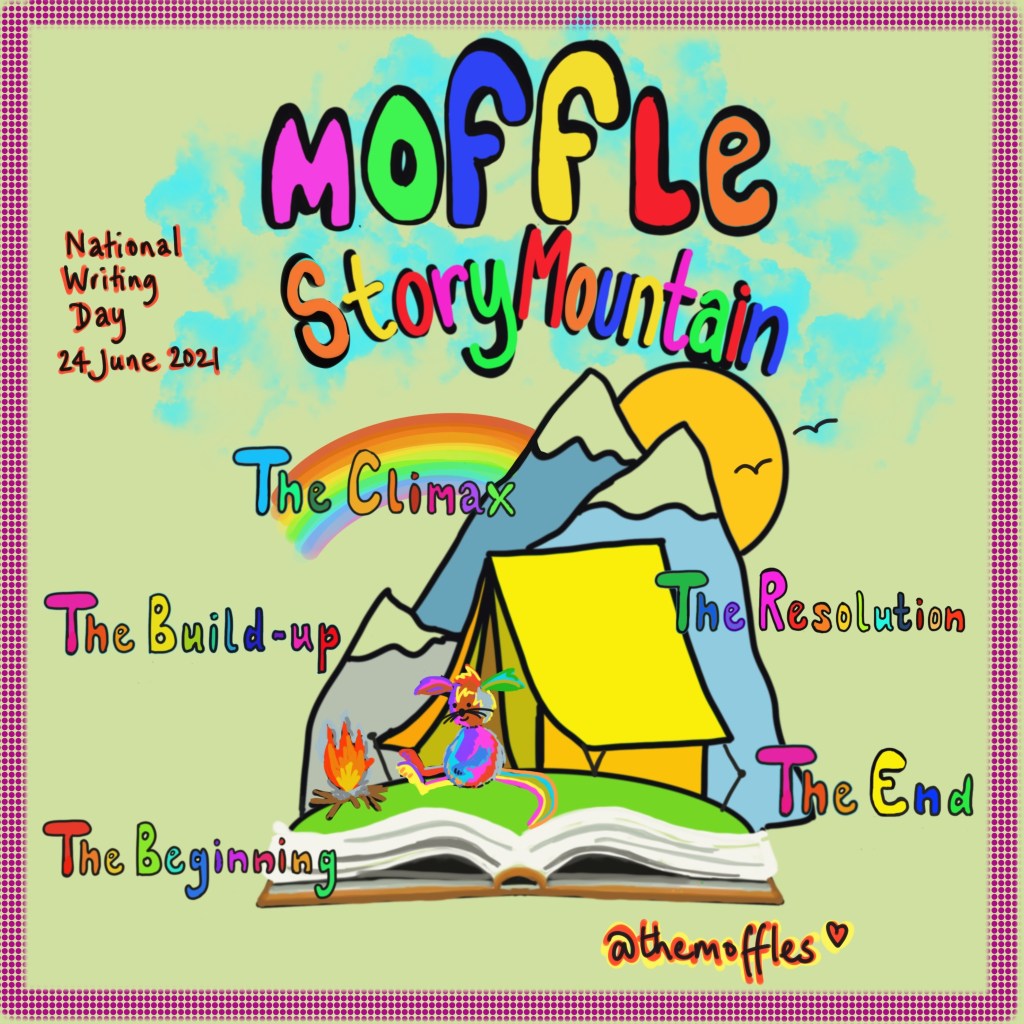
Here is a Moffle Story Mountain to inspire you to create some stories together!

Start at the beginning – who is your main character & where are they?

Then comes the build-up – what is happening & why? What does the main character want? What are the problems or obstacles in the way?

Followed by the climax – what happens to make things get worse? How can your character be strong and steady like a mountain? How do they feel?

Then the resolution – What choices does your character make? How do they overcome the problem they faced?

Lastly, the ending – how does it end? What does your character learn?

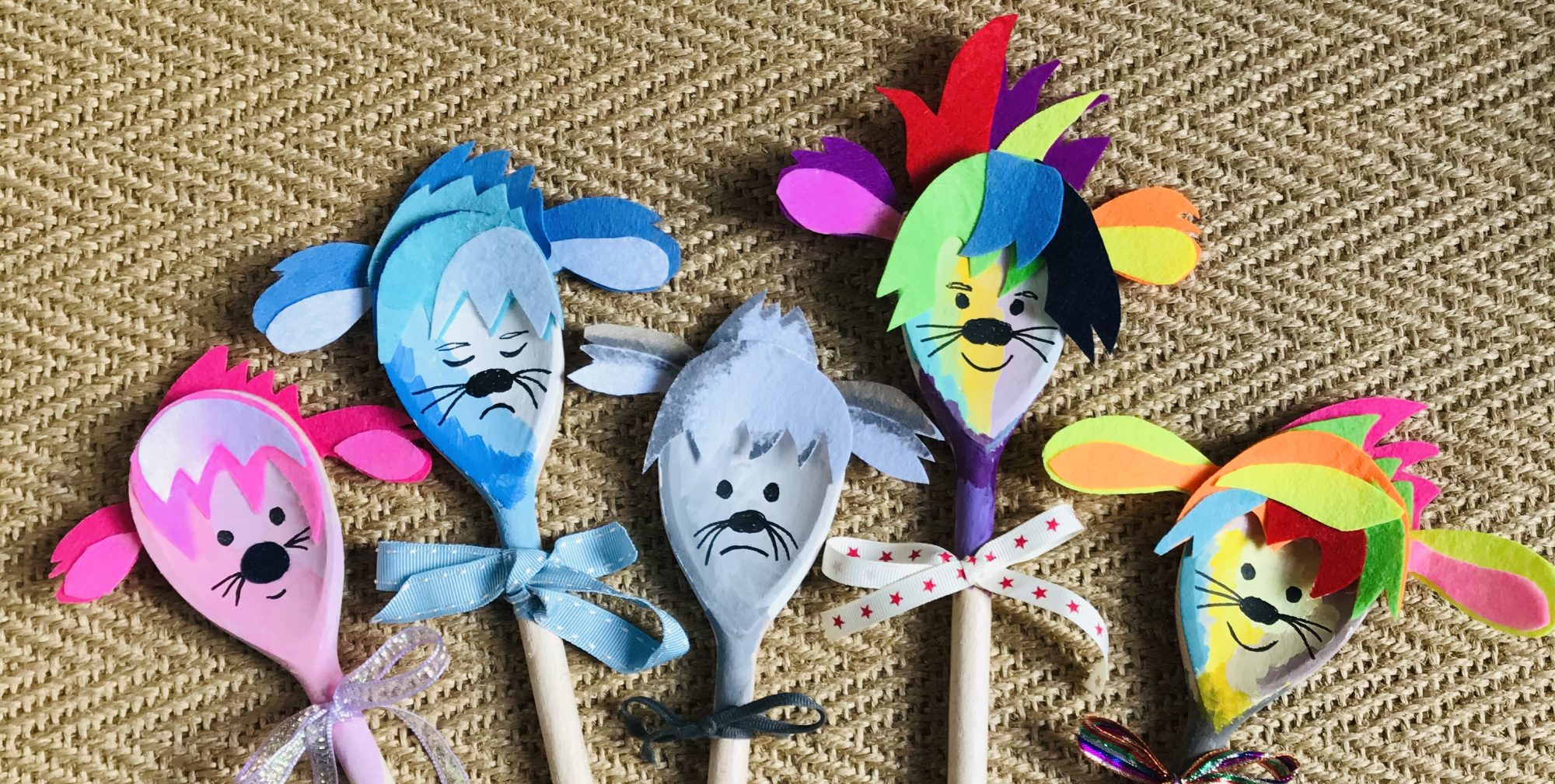
You can add to the fun & creativity using story spoons. The Moffle story spoons are the characters from Tippy Moffle’s Mirror, but you can create any characters you want to. The only limits are you & your child’s imagination & concentration span. You can improvise & role play – ask questions about what the characters might be feeling or thinking & create dialogues between them.

We all have a story to tell & as Phillip Pullman says, ‘After nourishment, shelter and companionship, stories are the thing we need most in the world’.

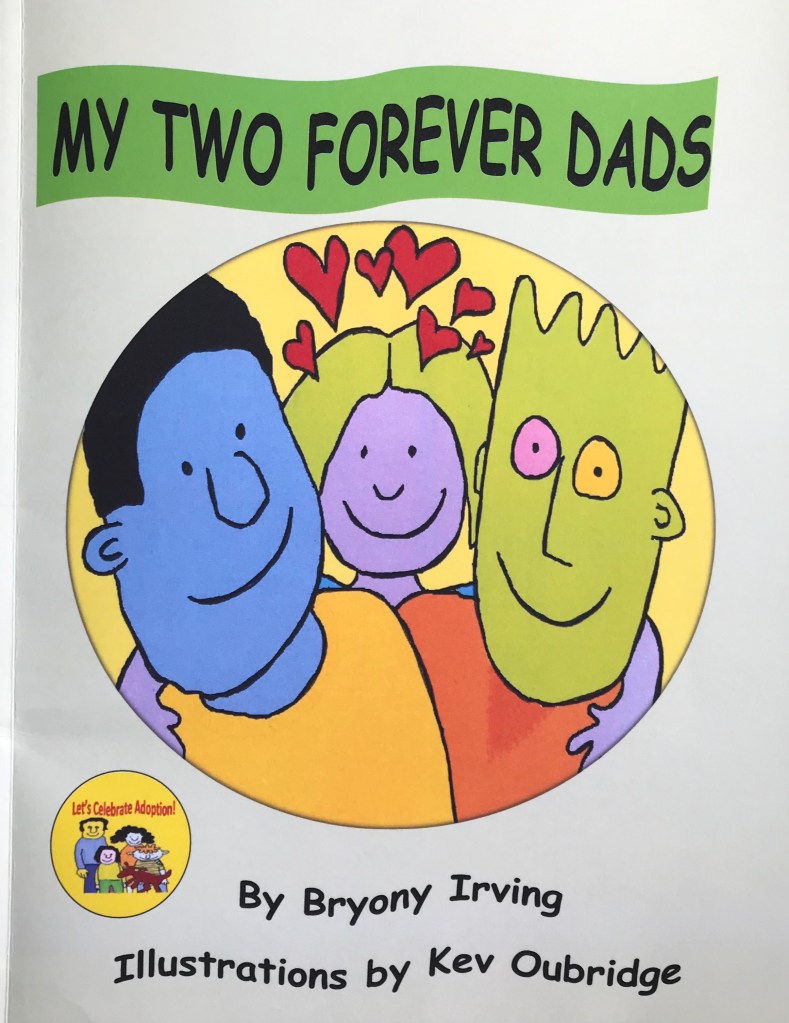
My Two Forever Dads

My Two Forever Dads

Bryony Irving (2019)

This story follows a little girl & her 2 dads through the first 2000 great days of their adoption.  Her new parents are there to comfort her through the sadness of leaving old carers; healing hurts; dealing with tricky behaviour & celebrating successes. The rhyming text creates a playfulness & delight in the journey, highlighting the joys & challenges of family life & the beautiful rainbow of feelings that go with it. Here is wonderful affirmation that parenthood is indeed in the love, not in the blood.

This is just one in Bryony’s series celebrating LGBTQ+ adoption, each written for one of the many children she has worked with over the past 20 years. It’s a sobering thought that this time span is longer than LGBTQ+ adoption has been enshrined in UK law, which only came into force in 2005.

click here to read more

BBC Newcastle Radio Interview

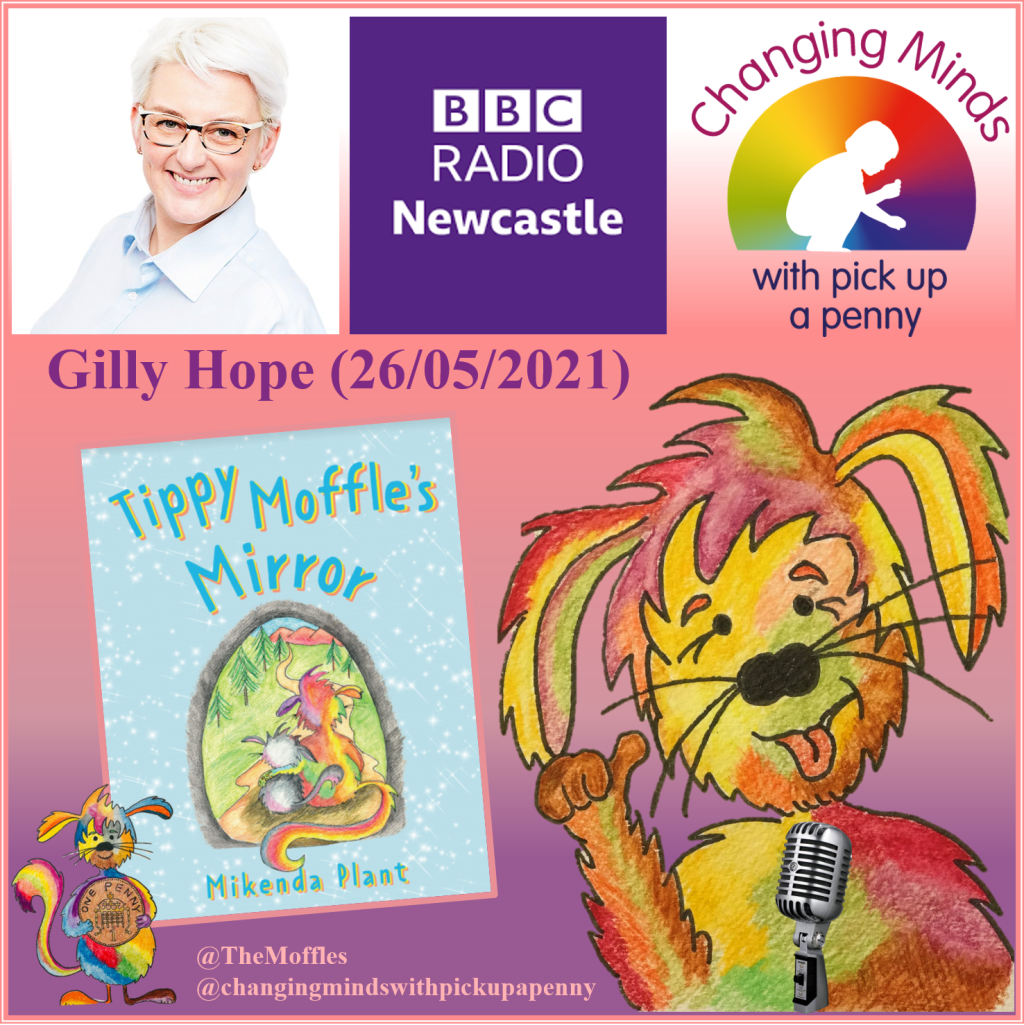
Listen to Mikenda & Sara chatting with Gilly Hope from BBC Radio Newcastle, about our work in mental health & Sara’s vision to open accessible mental health centres across the UK for children & adults. The Moffles are supporting Sara Young’s Community Interest Company, Changing Minds with Pick Up a Penny, helping to raise the profile through advertising & donating some proceeds from the sale of Tippy Moffle’s Mirror.

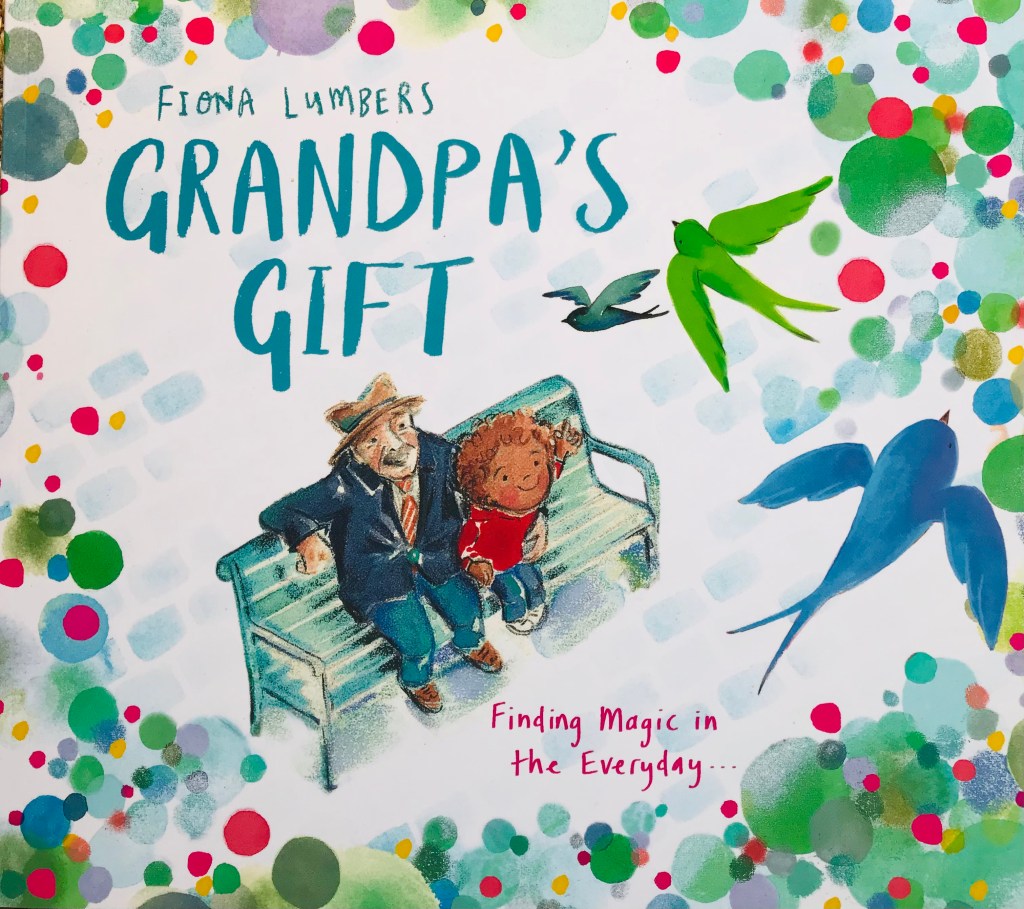
Grandpa’s Gift

A little boy mourns the old home he has left behind & the world seems very grey. But grandpa walks beside him & holds his hand. They enter a charity shop, with boxes full of old things waiting to be seen with new eyes. Grandpa shows him a dull looking rock, but inside it are crystals that shine with a thousand stars. Together they continue to explore the city & all the while, the boy can feel the rock, safe in his pocket. A reminder that magic can be found in the most ordinary of places, & that life feels lighter when we have hope.

Moving house, feeling sadness for what is left behind & adapting to new places can be hard for any child. How much more so, for a child with developmental trauma, who has had multiple losses in the past? Repeated exposure to trauma in early life can lead to hypersensitivity in the nervous system & brain for signs of danger & this can continue even when a child is safe in a new home. Learning to trust & to be open to relationships & the outside world, is a frightening prospect for a child who has been let down in the past, & who may have had repeated moves in the care system.

click here to read more